
Apr 16, 2026 | written by: Tommaso Ciuffoletti


There are wars that make the front pages and wars that remain on the margins. Not because they are less violent, but because they unfold far from the right spotlight.
The so-called Anglophone Crisis in Cameroon is one of them. An armed conflict that began in 2017 and has, over the years, increasingly taken on the contours of a civil war, without ever truly becoming global news.
And yet, it affects millions of people.
The roots: an unresolved fracture
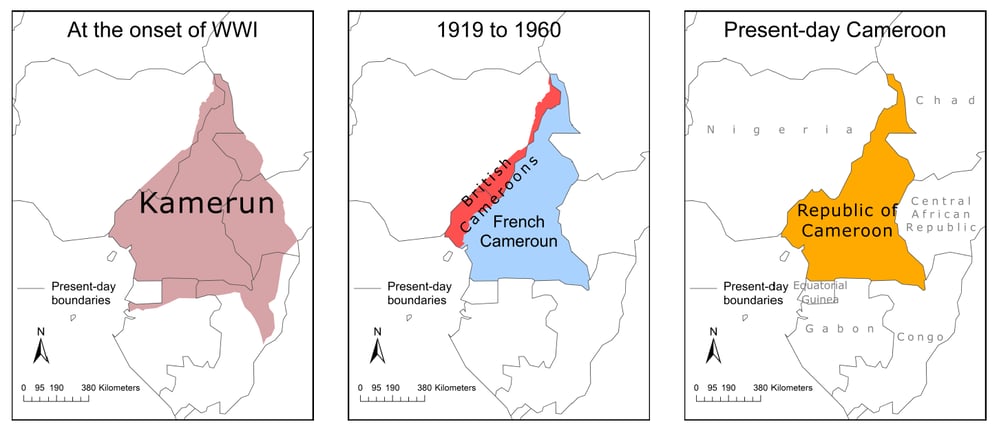
To understand this crisis, we need to go back much further than 2017.
Cameroon is a country with a dual colonial legacy: French and British. After the First World War, the territory was divided between France and the United Kingdom. At the end of the decolonization process, in 1961, the southern part of British Cameroon chose, through a referendum, to join the already independent and predominantly Francophone Republic of Cameroon.
Since then, however, coexistence has never been truly equal.
The Anglophone regions - North-West and South-West - have progressively perceived political, linguistic and legal marginalization. The Francophone legal, educational and administrative system has gradually been imposed even where traditions were different.
For years, it remained a latent tension. Then it became protest.
From dissent to war
In 2016, Anglophone lawyers and teachers took to the streets to protest against the imposition of French in courts and schools. The state response was harsh: repression, arrests, and restrictions on freedom of expression.
In 2017, the situation escalated.
Separatist movements declared the independence of a state called Ambazonia. Armed militias emerged. The government responded with large-scale military operations. This marked the beginning of open conflict.
From that moment on, the crisis entered a spiral that has yet to be broken.
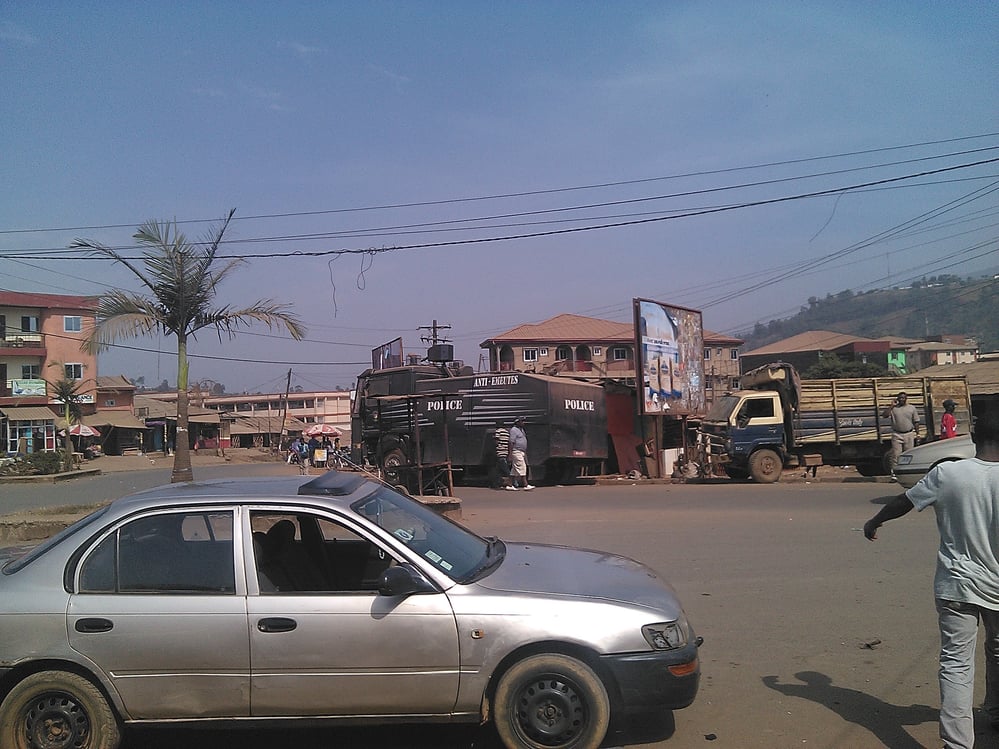
A widespread war, without a front
This is not a conventional war. There are no clear front lines. It is a fragmented conflict, made up of ambushes, kidnappings, attacks on villages, repression and reprisals.
Over the years, both sides have been accused of serious human rights violations.
- separatist groups have kidnapped civilians, imposed forced lockdowns, and attacked schools
- government forces have been accused of extrajudicial killings, village burnings and excessive use of force
Incidents follow one another with such regularity that, for this very reason, they no longer make the news.
In 2025, for example, there have been reports of public executions, attacks on civilians, targeted killings and mass arrests.
In 2026, armed clashes, attacks on villages and killings of civilians - including women and children - continue.
The normalization of violence is one of the most difficult aspects to convey.
Civilians at the center of the conflict
As often happens, the greatest burden falls on the population.
According to several international organizations:
- hundreds of thousands of people have been forced to leave their homes
- thousands of civilians have been killed
- entire communities live in conditions of permanent insecurity
Schools have become a symbolic target. In some areas, attending them means facing concrete risks. This has created a “suspended generation,” deprived of education and prospects.
Daily life has narrowed: moving is dangerous, working is uncertain, trusting is difficult.
International silence
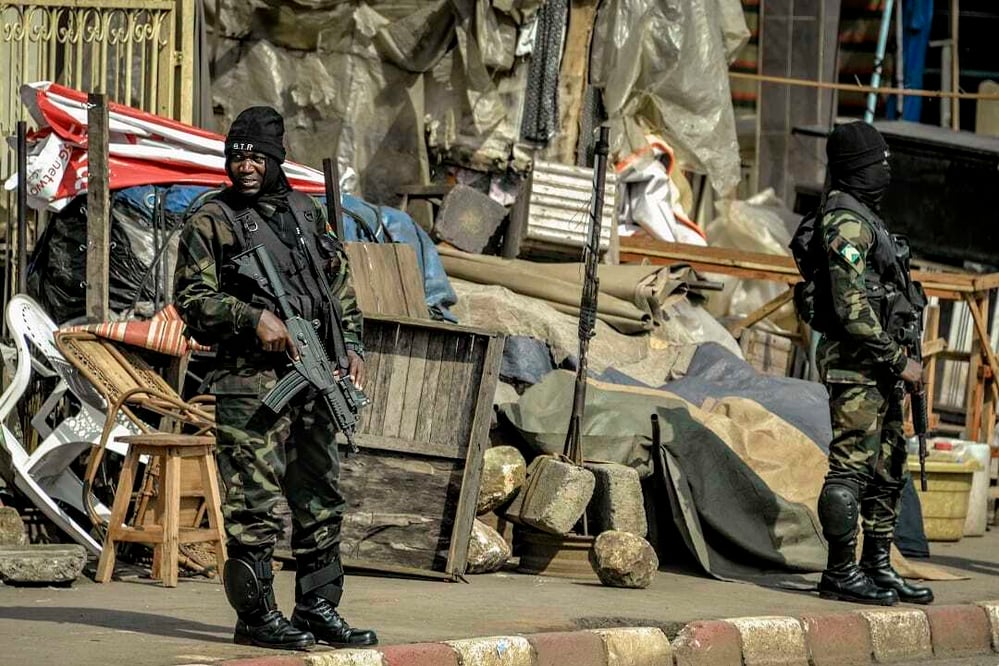
One of the most evident features of this crisis is its limited visibility.
It is not completely ignored — organizations such as Amnesty International and some international media outlets do report on it — but it has never become a priority on the global agenda.
There are several reasons:
- the historical and linguistic complexity of the conflict
- the absence of a clear narrative alignment
- lower geopolitical relevance compared to other scenarios
- limited access for international media
The result is a paradox: a long, violent and deeply rooted conflict that remains on the margins of attention.
Where we stand
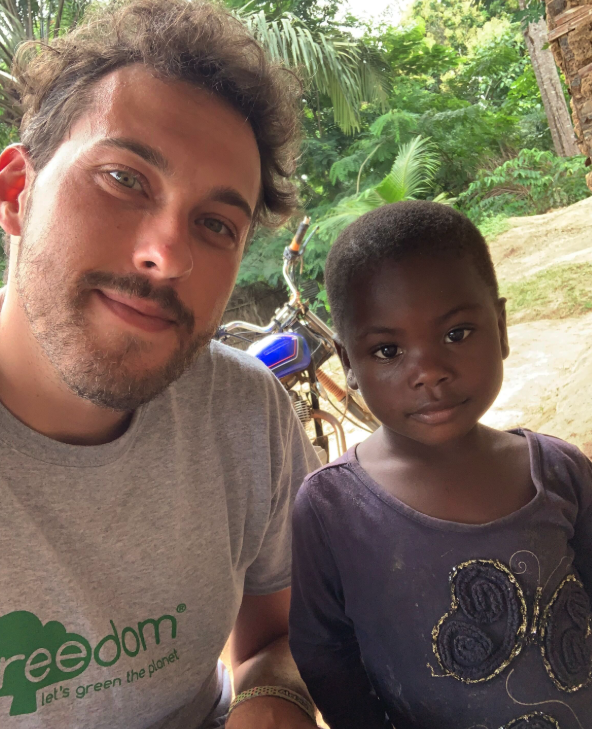
For those working in Cameroon, this is not a distant crisis. It is something that enters everyday life: in people’s stories, in operational challenges, in the communities we work with.
It means operating in an unstable context, where every project — even the simplest — must take into account a complex reality.
But it also means witnessing up close something that often remains invisible elsewhere. And this changes the way the story is told.
Telling is not neutral
Speaking about this crisis is not only an informative exercise. It is a choice.
It means giving space to a story that does not easily find visibility. It means recognizing that there are conflicts that never become “global,” but are total for those who live through them.
And it also means questioning one’s own role.
A project, a tree, a community: in a context like this, they are never isolated elements. They become part of a broader reality, made of fragility but also of everyday resilience.
A war that continues
After more than seven years, no clear solution is in sight. The conflict has become chronic: stable enough not to fully erupt, violent enough not to be ignored by those who live through it.
And perhaps this is its most insidious form.
Not a war that changes everything in a single moment, but one that slowly reshapes the lives of millions of people.
In silence.

