



Oct 13, 2026 | written by: Tommaso Ciuffoletti


An oak tree can live for several centuries, and some specimens survive for more than a thousand years. Yet growing one can begin with something we can easily find during an autumn walk: an acorn. Autumn is the perfect time to collect acorns and plant them. You don't need any special equipment or extensive gardening experience, but a few simple precautions can make the difference between a seed that fails to germinate and a young plant with the potential to become a magnificent tree.
There's another good reason to give it a try. Oak trees are among the most important contributors to biodiversity in our woodlands. They provide food for numerous animals, support a remarkable variety of insects and, as they mature, become valuable habitats for birds, fungi, lichens and many other forms of life. Planting an oak means making room for a small ecosystem that can continue to flourish long after we're gone.
Let's find out how to do it, step by step.
Collect acorns at the right time
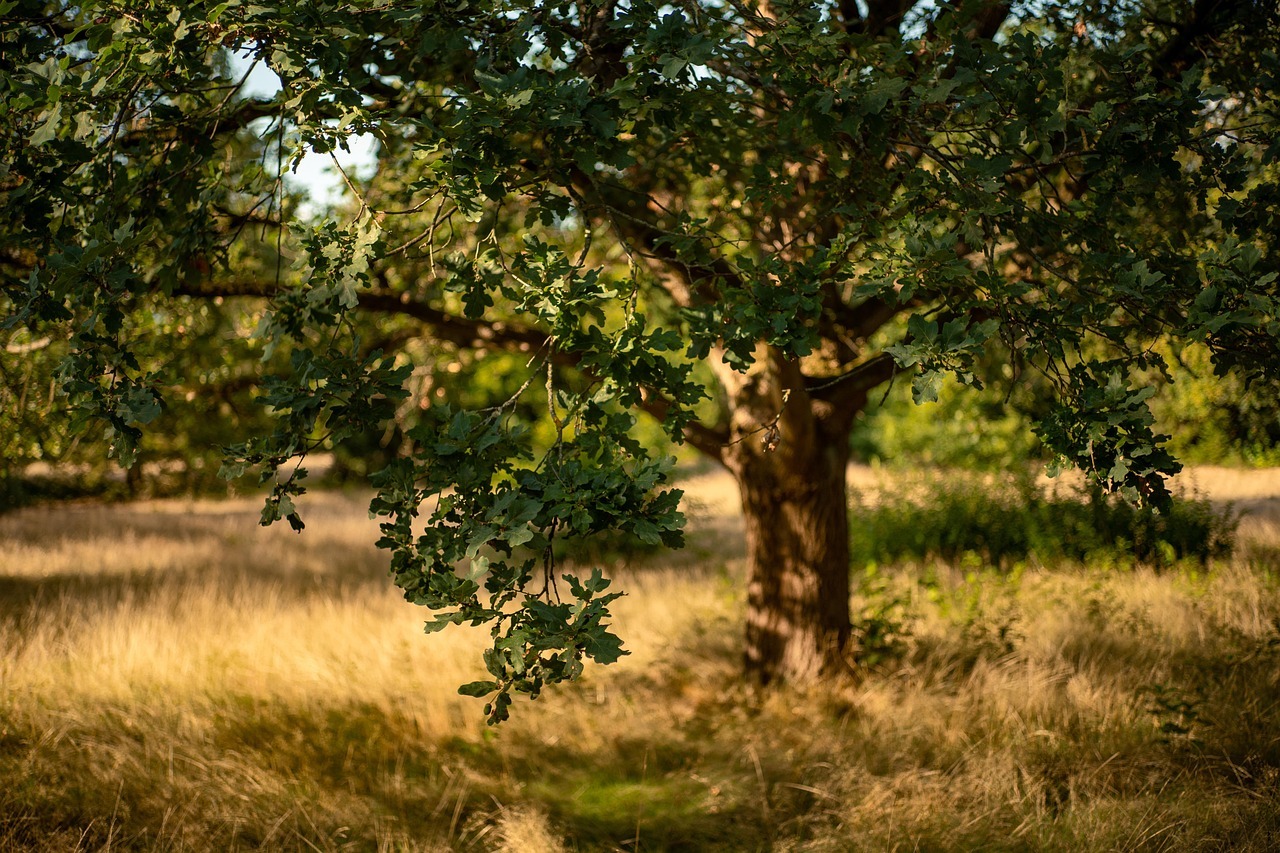
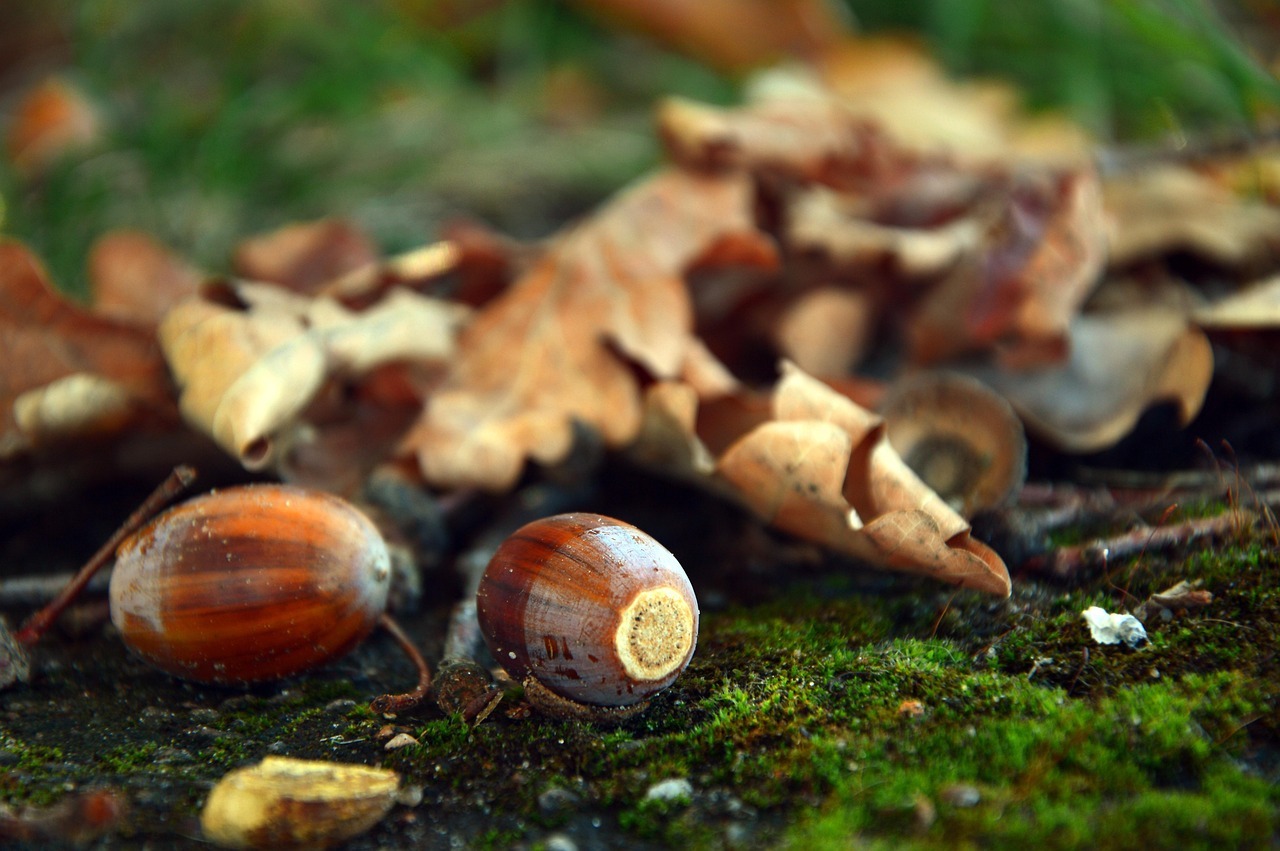
Between September and November, depending on the species and the season, acorns begin to fall from oak trees. This is the ideal time to collect and sow them, without waiting too long: some acorns can quickly lose their ability to germinate if they dry out.
Choose mature, firm, undamaged acorns with no holes, cracks or signs of mould. Those that have fallen naturally and are turning brown are generally good candidates. Avoid green, unripe acorns, as well as those that feel unusually light or show visible signs of damage. Once home, remove the small, woody cap at the top of each acorn. There's no need to crack the shell: the seed inside is delicate and should remain intact.
One tip: collect several acorns. Not all of them will germinate, so having a few to choose from will improve your chances of success. If you'd like to make an initial selection, you can place the acorns in a bowl of water for a few hours. Those that sink are generally more promising, while floating acorns may be empty or damaged.
However, this isn't a foolproof test: floating doesn't necessarily mean an acorn is no longer viable. Check its appearance and firmness as well.
Freshly collected, healthy acorns can be sown straight away. There's no need to dry them or store them for weeks. In fact, allowing them to dry out can compromise germination.
Prepare a container
You don't need to buy a pot to get started. You can reuse a container you already have at home, provided it's deep enough to accommodate the developing roots.
A simple option is a 1.5- or 2-litre plastic water bottle with the top cut off. Before using it, make several drainage holes in the bottom so excess water can escape. If possible, choose a tall, narrow container that can later be cut open to release the roots when it's time to transplant the seedling.
Fill it with a light, well-draining potting mix suitable for outdoor plants. Avoid compacted soil that retains too much water. A plastic bottle is an inexpensive, practical way to get started, but remember that it's only a temporary container. Oak trees develop a deep main root and aren't suited to spending their entire lives in a small pot.
Sow the acorn and wait
Place the acorn horizontally in the potting mix, if possible, and cover it with around 2–3 centimetres of soil. If you've collected several acorns, it's best to sow them in separate containers so you can transplant the seedlings without disturbing one another's roots.
Water gently, moistening the soil without saturating it. Then place the container outdoors in a sheltered spot where the acorn can experience the natural progression of the seasons. For many European oak species, autumn and winter are an important part of the germination process. There's no need to keep the acorn warm indoors: outdoor conditions are generally more suitable.
Check the soil regularly. It should remain slightly moist, and the container should be protected from animals that might dig up and eat the acorn. Don't be discouraged if nothing seems to happen for several weeks. The first signs of growth may appear underground, as the root develops, before any leaves emerge.
Care for your young oak tree
When the first shoot appears, you'll have reached an important milestone. Keep the soil moist but never waterlogged, and place the seedling in a bright location. If necessary, gradually acclimatise it to direct sunlight. At this stage, the most important thing is not to rush. Heavy fertilisation and constant watering aren't necessary. Instead, keep an eye on the soil and water when it begins to dry out.
There's also an important aspect of growth that remains hidden from view. Oak trees invest a great deal of energy in developing their roots, which help anchor them firmly in the ground and reach water during dry periods. A seedling that still looks small isn't necessarily growing poorly.
However, don't leave it for too long in a narrow container. If the roots quickly reach the bottom, they may bend or begin growing in a restricted space. If this happens, consider moving the seedling into the ground sooner or temporarily transferring it to a deeper container.
Choose the right place to plant your oak
This is the stage that deserves the most careful consideration. An oak tree isn't a plant to keep in a pot forever: it's a tree that will grow, spread its canopy and develop an extensive root system.
Depending on the species and growing conditions, an oak can reach several dozen metres in height and develop a very broad canopy. Before planting, try to picture not the little seedling in front of you today, but the tree it could become several decades from now.
Choose a location with enough room both above and around the tree. Avoid planting too close to buildings, walls, paved surfaces, underground pipes or overhead power lines, taking into account the appropriate clearances for the species and location. If you have a small garden, carefully consider whether it can realistically accommodate a mature oak.
Ideally, choose deep soil that doesn't remain waterlogged for long, and a generally bright, sunny location. Exact requirements depend on the species: not all oaks have the same preferences when it comes to moisture, soil and exposure.
There's another practical consideration worth remembering: choose a spot where you can easily reach the young tree to water it and protect it during its first few years. The aim isn't simply to plant it in the ground, but to give it the conditions it needs to establish itself and eventually thrive independently.
If you don't have suitable land, don't plant your oak in a public space or woodland without permission. You could look for a suitable private plot or contact a local association or reforestation project.
When and how to transplant your oak into the ground
For an oak grown in a container, a good time to transplant it is generally during dormancy, from autumn into winter, when the soil is moist enough but neither frozen nor waterlogged. In many situations, transplanting after the first growing season is a reasonable option, provided you don't leave the seedling in a small container for too long.
Before you begin, check the weather forecast. Avoid days with severe frost, unusually hot conditions or strong winds. If the seedling is still very fragile, consider waiting until it is sufficiently developed to be moved without damaging its roots.
Here's how to proceed.
-
Prepare the ground. Remove weeds and competing vegetation from the area around the chosen planting spot. Dig a hole wider than the root ball, but no deeper than necessary. The bottom should be firm, and once planted, the seedling should sit at the same soil level as it did in its container.
-
Release the roots carefully. If you've used a plastic bottle, it's better to cut it open rather than pull the seedling out by its stem. Try to keep the potting mix around the roots, and take care not to break the main root, which is particularly important during the early stages of growth.
-
Position the seedling. Place it in the centre of the hole, with the roots pointing downwards and without bending them. Refill the hole with the excavated soil, breaking up any large clumps, and gently firm it with your hands to remove air pockets. Don't bury the root collar, where the stem meets the roots.
-
Water and protect it. After planting, water thoroughly to help the soil settle around the roots. You can spread a layer of organic mulch, such as well-decomposed leaves or wood chips, around the tree to reduce evaporation and suppress competing weeds. Leave a few centimetres of clear space around the stem, however, and don't pile mulch directly against the bark.
If rabbits, rodents or other animals in the area could damage the young tree, consider installing a suitable protective guard. A stake may be useful in a particularly windy location, but it mustn't constrict the stem or prevent its natural movement.
Keep an eye on your oak during its first few years
Once planted, your oak will need particular attention during its first summers. The soil shouldn't be allowed to dry out completely for prolonged periods, especially when rainfall is scarce. Water deeply when necessary, then allow the soil to drain rather than applying small amounts of water every day.
Also check that surrounding weeds aren't competing too strongly for water and nutrients. Mulch can help, but it should be monitored and replenished when necessary. Don't expect spectacular growth from one year to the next, though. An oak may take time to establish its root system and develop its trunk. Its growth rate depends on the species, soil conditions, water availability and exposure.
And that's part of its appeal. Growing an oak means accepting a different pace from the one we're used to: not everything needs to grow quickly to be valuable.
One acorn today, a tree for the future
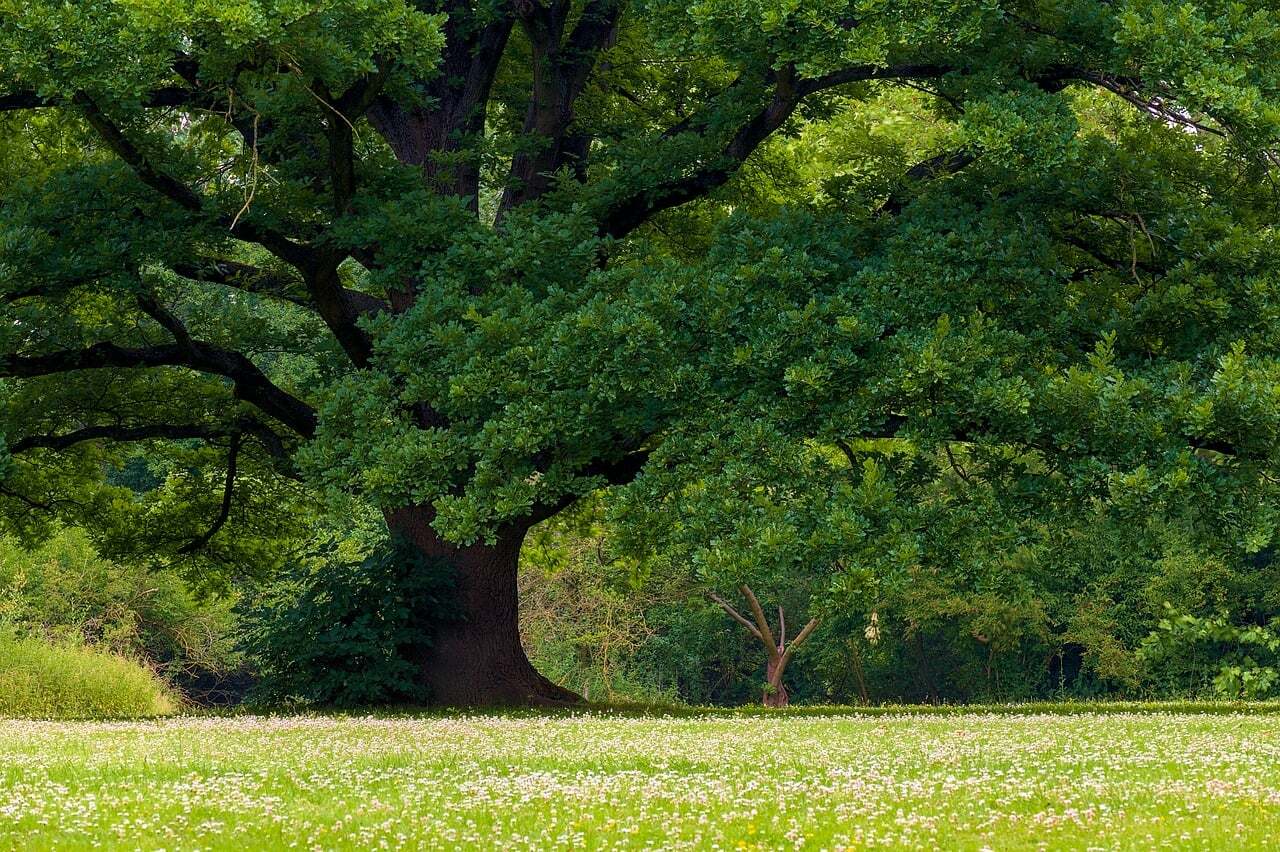
Oak trees can live for hundreds of years, and some survive for more than a millennium. Over their lifetimes, they become much more than trees: they provide food and shelter for numerous species, help shape forest ecosystems and, as they age, develop cavities and microhabitats that are especially valuable to wildlife.
We can't know how large our little oak will grow or how long it will live. But we can give it a good start: collect a healthy acorn, sow it at the right time, respect the development of its roots and carefully choose the place where it will grow.
The next time you walk beneath an oak and see acorns scattered across the ground, try collecting a few. You could begin with a reused plastic bottle and a handful of potting mix, then nurture your seedling until it's ready for its permanent place in the ground.
It's a small gesture, within reach of many of us, but one with a remarkably long horizon: that of a tree that could remain standing long after we've stopped caring for it.

